
The diagnostic and therapeutic concept PelvicHealth® includes innovative, comprehensive differential diagnostics of dysfunctions and pain in the pelvic and spinal areas. In case of pain, it determines its cause and provides targeted treatment. In the pelvic floor area, diagnostics are performed via ultrasound 2D and 3D/4D examinations and through perineometry.
Professional guarantor–Prof. PhDr. Magdaléna Hagovská, PhD., Cert. MDT, MPH
Innovative therapeutic procedures include modified manual techniques for external and internal treatment of structures in the pelvis and pelvic floor area, as well as innovative exercises for numerous dysfunctions in the pelvis and pelvic floor area for both women and men.
The PelvicHealth® concept
is suitable for the following problems:
Pain syndromes – chronic pelvic pain syndromes-dysmenorrhea (painful menstruation), endometriosis, chronic prostatitis, pudendal neuralgia, vulvodynia, urethral pain syndrome, anorectal pain syndrome, perineal pain syndrome, coccygodynia – tailbone pain, pain from episiotomy scars, pelvic girdle pain, dyspareunia – painful sexual intercourse. Functional pelvic disorders – functional sterility, pelvic syndromes.
Postpartum physiotherapy – comprehensive diagnostics of posture, pelvis, and pelvic floor followed by treatment. Exercises to reduce diastasis recti (abdominal muscle separation), exercises to relieve back pain after childbirth, exercises to activate pelvic floor muscles after childbirth.
Lower urinary tract symptoms (LUTS) – stress urinary incontinence, overactive bladder – strong urge to urinate, frequent urination, neurogenic urinary incontinence – in neurological patients, anorectal dysfunction – bowel problems.
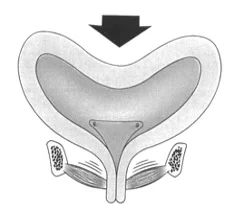
Stress urinary incontinence

Overactive bladder
Other pelvic floor dysfunctions – cystocele, rectocele, uterine prolapse, pelvic floor muscle avulsion injury.
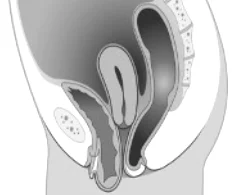
Cystocele

Uterine prolapse

Rectocele
Preoperative conditions – before hysterectomy, before prostatectomy, and other surgical procedures.
Postoperative conditions – after gynecological and urological surgeries, after oncological surgeries and treatment.
Do you need to get rid of any of the listed problems?
Or are you unsure if your problem fits into the listed diagnoses?
Contact us to arrange an examination